
November 19, 2026
Heat Stroke Myths That Put Young Athletes at Risk
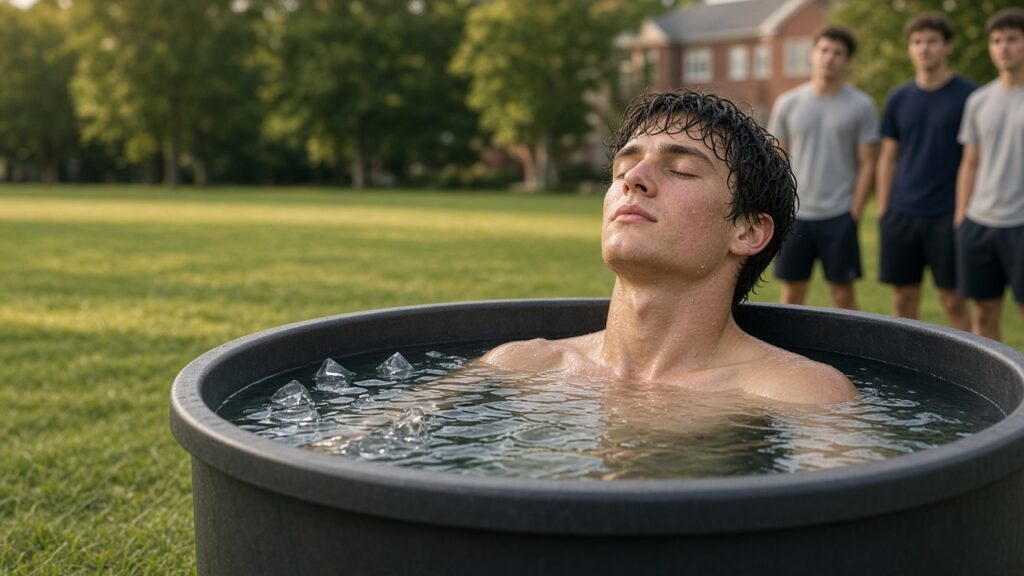
Most coaches and parents know heat stroke is serious. The trouble is a handful of old ideas that sound right and still get repeated on sidelines every summer. Each one can slow down the moment that matters most: noticing an athlete is in trouble and cooling them right away.
Exertional heat stroke is 100% survivable when the athlete is cooled fast, on site. Here are eight myths worth clearing up before your next hot practice, and what to do instead.
Myth 1: “They’re still sweating, so it can’t be heat stroke.”
An athlete who is still sweating can still be in heat stroke. Dry skin is not the sign to wait for. Watch for an athlete who is confused, stumbling, acting strange, slurring words, not answering questions clearly or collapsing. Any change in how an athlete thinks or acts during hard work in the heat should be treated as heat stroke until proven otherwise. Our guide to exertional heat stroke symptoms covers what to look for.
Myth 2: “It’s not that hot today.”
Heat stroke doesn’t wait for the hottest day of the year. Humid mornings, cloudy afternoons, the first warm week of spring and late-season practices can all be dangerous, especially when athletes are working hard in gear. The weather is only half of it. How hard and how long they are working counts too.
Check heat stress at your own field instead of relying on the forecast. Read our WBGT guide for schools, why humidity matters at practice, spring sports heat safety and why heat doesn’t end in August.
Myth 3: “Our athletes are in great shape. This happens to other kids.”
Exertional heat stroke comes from hard work in the heat, and fit athletes are often the ones working the hardest. Strong, motivated athletes push through the warning signs because that is what they have been taught to do. Being in shape does not replace easing into the heat. New athletes and anyone coming back from a break need time to adjust. See why the first two weeks matter.
Myth 4: “If something were wrong, they’d tell us.”
Young athletes often hide it. They don’t want to lose their spot, let the team down or look weak in front of the coach. And heat stroke affects the brain, so an athlete in trouble may not realize it. Coaches and teammates need to watch each other, and every athlete should hear out loud that stepping out is always OK. Share our guide for athletes on looking out for teammates.
Myth 5: “Give them water and they’ll be fine.”
Water breaks help prevent heat illness, and athletes should drink often. But an athlete with heat stroke needs their body temperature brought down, and drinking water does not do that. Don’t spend time getting a confused athlete to drink. Start cooling.
Myth 6: “Cold towels and ice packs will cool them down.”
Cold towels and ice packs are not enough. They cool too little of the body, too slowly. The standard of care is whole-body cold-water immersion in a tub with ice agitation. Read why cold towels don’t treat heat stroke and why cold-water immersion is the first-line treatment.
Myth 7: “Get them in the car and to the hospital.”
Cool first, transport second. Call 911 and start cooling at the same time. Cooling should start within 10 minutes. The goal is to bring body temperature down to about 102°F within 30 minutes, because at 104°F the body loses its ability to regulate its own temperature. A ride to the emergency room, even a short one, is time the athlete is not being cooled. Read cool first, transport second and the 30-minute rule.
Myth 8: “We’ll figure it out if it ever happens.”
There is no time to figure it out in the moment. The programs that handle heat stroke well have already decided who calls 911, who starts cooling, where the tub is, where the ice comes from and who meets the ambulance. A cold-water immersion tub belongs at every hot practice and event, set up before the first drill, not stored in a closet.
What to Do Instead
If an athlete shows signs of heat stroke:
- Call 911 and start cooling at the same time. One adult calls and gives the exact address and entrance. Another gets the athlete to the tub.
- Cool first, transport second. Get the athlete into the cold-water immersion tub as fast as you can.
- Use ice agitation. Keep the ice and water moving around the athlete. Take off extra gear and clothing if you can do it quickly, but don’t delay cooling because of gear removal.
- Stop the practice and have another adult take care of the rest of the team.
- Send someone to meet the ambulance and lead the crew straight to the athlete.
Then practice it. Our guide to running a heat stroke drill shows how to walk your staff through these steps before summer, and our free emergency action plan builder puts the plan in writing with your school’s name on it.
Take the next step: build your heat emergency action plan with our free heat safety tools, then sign up your school for National Stay Cool Day on April 8, 2027. Both are free.