
November 16, 2026
Fencing Heat Safety: Hot Clubs, Full Gear and Long Tournament Days
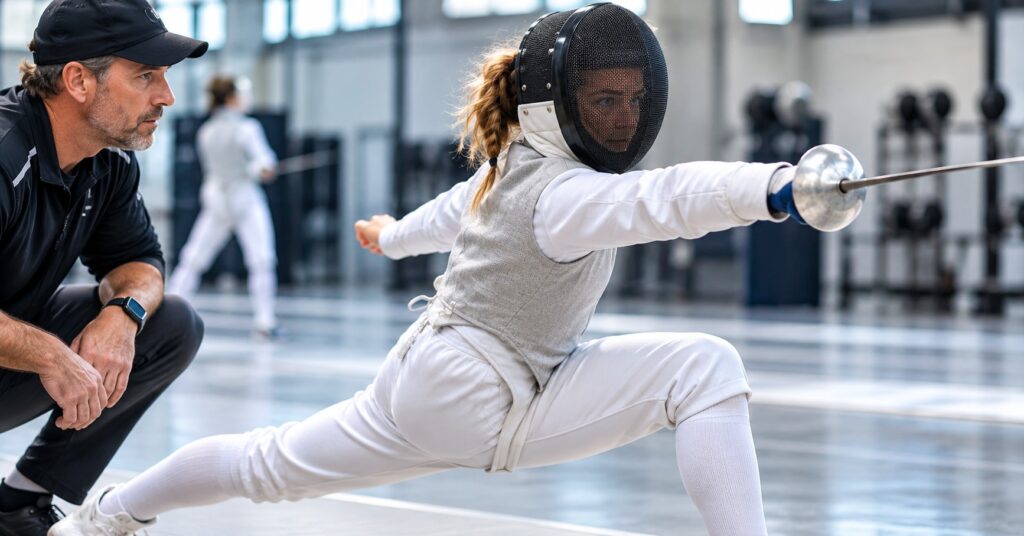
Fencing is mostly an indoor sport, so heat is easy to forget. But many clubs train in converted warehouses, rented school gyms and small storefront spaces where the air conditioning can’t keep up in summer. Fencers wear a jacket, an underarm protector, a glove and a mask, and foil and sabre fencers add a scoring vest on top. Summer camps can run most of the day, and tournaments can mean hours of waiting followed by bout after bout.
Exertional heat stroke is 100% survivable when the athlete is cooled fast, on site. This guide is for club owners, coaches, tournament organizers and parents who want a heat plan at the club before anyone needs it.
Why Heat Gets Missed in Fencing
- It happens indoors. People think heat stroke is a problem for football fields. A hot club room on a summer afternoon, with doors closed and a full class on the strips, can be dangerous too.
- The gear covers almost everything. The jacket, mask, glove and long socks protect against the blade, and they also hold heat close to the body. Very little skin is left open to cool off.
- The mask hides the face. Coaches can’t see a flushed face, a blank look or a fencer who is struggling until the mask comes off.
- The work comes in bursts. Lunges, footwork drills and fast actions add up over a long lesson or a long day of bouts, even when it looks like the fencer is standing still between touches.
- Tournament days are long. Fencers may wait for hours in a crowded hall, then fence a full pool and keep going into the elimination rounds with little rest.
- Fencers don’t want to stop. A fencer who is winning, or one who doesn’t want to let down a coach or teammate, may hide that they feel sick.
Before the Season
- Know how hot your room gets. Check the heat inside the club during your busiest summer classes, not just the weather outside. Our WBGT guide explains how to measure heat stress and what the numbers mean, and our guide to heat safety in indoor gyms covers rooms that trap heat.
- Write down your heat rules. Decide ahead of time what conditions mean shorter classes, more breaks, fewer bouts, footwork without full gear or canceling. Then no one has to make the call in the middle of practice.
- Have a cold-water immersion tub ready. Know where it is, who fills it and where the ice comes from. Plan how you will have one at camps and tournaments you host. Our cooling station checklist covers what to have ready, and why every event needs a tub explains why.
- Build an emergency action plan for your club. Name who calls 911, who starts cooling, who meets the ambulance and where the tub is. Our free emergency action plan builder gives you a finished plan in your club’s name.
- Ease fencers into summer training. Fencers coming back from a break, or starting a summer camp, need time to get used to the heat. Read why the first two weeks matter.
In Practice, at Camps and at Tournaments
- Open doors, run fans and give the room time to cool between back-to-back classes when you can.
- Build in regular water breaks, and let fencers keep a water bottle at the end of the strip.
- Have fencers take off masks and open jackets between bouts and during coaching talks.
- On hot days, do footwork and drills without full gear, and cut back on open bouting.
- At tournaments, find a cool spot for fencers to wait, and check on them between bouts and between rounds, not just on the strip.
- Watch fencers who are new, very young, coming back from time off or recently sick.
- Tell fencers, out loud and often, that stepping off the strip because they feel sick is the right call. No one gets in trouble for speaking up, and teammates should speak up for each other too. Share our guide on looking out for teammates.
Parents can help before practice and tournament days. Share our parent prep guide so fencers show up rested, fed and drinking water. For weekends with more than one event, our guide to multi-game tournament days has more ideas.
Know the Signs
The sign that matters most is a change in how the brain is working. Watch for a fencer who is confused, loses track of the score, stumbles, gives strange answers or seems “out of it.” Collapse or a seizure is an emergency. A fencer with heat stroke may still be sweating. If something seems off, treat it as heat stroke. Read exertional heat stroke symptoms every coach and parent should know.
Because the mask hides the face, ask fencers to take it off when they come off the strip so you can look at them and talk to them. If a fencer who usually moves well starts missing easy actions, losing balance or not answering clearly, stop and check on them.
When a Fencer Goes Down
- Call 911 and start cooling at the same time. One adult calls and gives the exact address and which door or room to use. Another gets the fencer to the tub.
- Cool first, transport second. Get the fencer into the cold-water immersion tub as fast as you can.
- Use ice agitation. Keep the ice and water moving around the fencer. Take off the mask, jacket and anything else you can quickly, but don’t delay cooling because of gear removal.
- Stop practice or the bout and have another adult keep the other fencers and families back.
- Send someone to meet the ambulance at the door and lead the crew to the fencer.
- Call the fencer’s parents if they are not already there, once cooling is going and help is on the way.
Cooling should start within 10 minutes. The goal is to bring body temperature down to about 102°F within 30 minutes, because at 104°F the body loses its ability to regulate its own temperature. Cold towels and ice packs are not enough. Read cool first, transport second and why cold towels don’t treat heat stroke.
Practice these steps with your coaches, referees and volunteers before summer starts. Our guide to running a heat stroke drill shows how.
Bring Your Club Into National Stay Cool Day
National Stay Cool Day is April 8, 2027. Fencing clubs, schools, teams and youth programs can take part. Here’s how schools and programs can sign up.