November 1, 2026
Heat Safety Starts at Home: A Parent’s Prep Guide for Hot Practices and Games
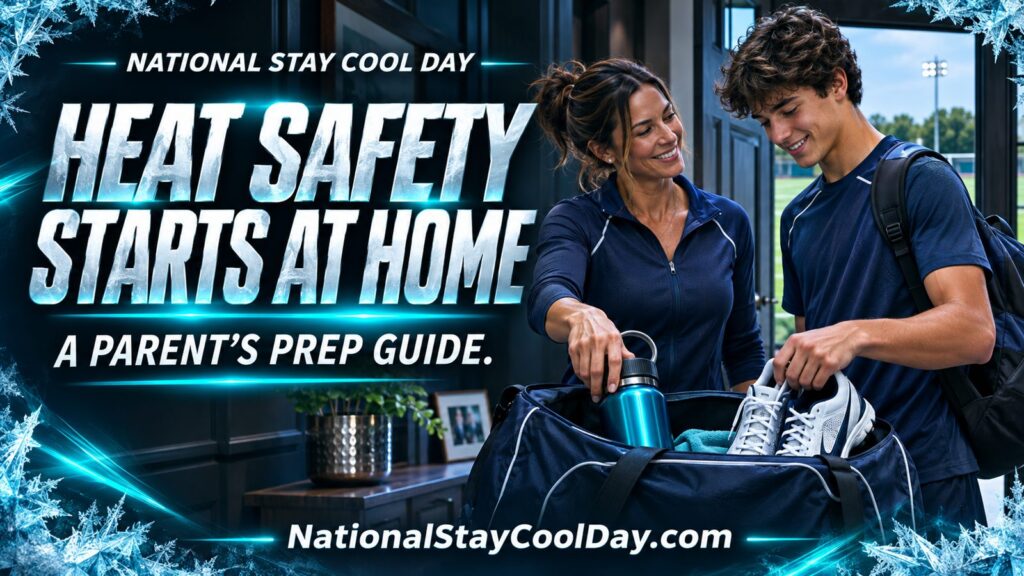
Most of the heat plan lives with the coach and the athletic trainer. But a lot of what keeps a young athlete safe happens before they ever leave the house: how they slept, what they ate, how much they drank and whether they were feeling well that morning. That part is yours.
This guide covers the home side of heat safety for parents and guardians. It pairs with our list of heat safety questions parents should ask, which covers what to ask the program.
Rest and Sleep Come First
A tired body handles heat worse. Before hot practices and games:
- Aim for a full night of sleep, especially before early practices, two-a-days and tournament weekends.
- Watch for back-to-back late nights, travel days and early alarms piling up.
- Build in real downtime on rest days. A rest day is a chance to recover, not a chance to fit in a second workout somewhere else.
If your child is worn out, tell the coach before practice so they can keep an eye on them.
Hydrate Before, During and After
Hydration is not just something that happens at the water break. Help your child:
- Before: drink water through the day leading up to practice, not just in the car on the way.
- During: take every water break, and bring a full water bottle with their name on it.
- After: keep drinking once they get home to replace what they lost.
How much is right depends on your child, the sport and the weather, so ask your athletic trainer or your child’s doctor. If your child cramps up, read heat cramps explained to know what a cramp is and what it is not.
Eat Before They Play
Skipping meals makes hot practices harder. Make sure your child eats regular meals on practice days and doesn’t head out on an empty stomach. Packing a snack for after practice or between games on tournament days helps too.
Sick or Feverish? Keep Them Home or Tell the Coach
Being sick raises the risk of heat illness. If your child has a fever, has been throwing up or has diarrhea, or is just getting over an illness, keep them home or talk to the coach or athletic trainer before they practice. Don’t let them push through to keep a spot. Teach them that saying “I don’t feel well” is a smart call, not weakness.
Ease In During the First Hot Weeks
The body can adapt to heat, but it takes time. The first days of a season, or the first hot stretch after time indoors, are when athletes are most at risk. Kids who spent the summer in air conditioning, are new to the team, or are coming back from an injury or illness need extra care.
Ask the coach what the plan is for the first 14 days of practice. Programs can build a day-by-day plan with our free acclimatization schedule tool, and you can read why the first two weeks matter.
Dress for the Heat
- Send them in light-colored, lightweight, breathable clothing.
- Pack a change of clothes or a dry shirt for long days.
- Remember that helmets, pads and heavy gear hold in heat, so equipment sports need extra attention in hot weather.
Know the Warning Signs
Talk with your child about these signs so they can speak up for themselves and their teammates.
Heat exhaustion can look like fatigue, dizziness, heavy sweating, weakness and not being able to keep going. They need to stop, get into the shade and be checked.
Exertional heat stroke is an emergency. The biggest sign is a change in how the brain is working:
- confusion, strange answers or not knowing where they are
- stumbling or losing balance
- acting irritable or out of character
- collapse or a seizure
They may still be sweating. Sweat does not rule out heat stroke. See the full list of exertional heat stroke symptoms every coach and parent should know.
Ask About the Cooling Tub and the Plan
Exertional heat stroke is 100% survivable when the athlete is cooled fast, on site. That only happens if the program has a cold-water immersion tub ready and a plan the staff has practiced. Before the season, ask:
- Is there a cold-water immersion tub set up at every practice and game?
- Who calls 911, and who runs the tub?
- Is there a written emergency action plan, and has the staff practiced it?
If the program doesn’t have a plan yet, point them to our free emergency action plan builder. For the full list and what a strong answer sounds like, read heat safety questions parents should ask.
If an Athlete Goes Down
- Call 911 and start cooling at the same time. One person calls while others start cooling.
- Cool first, transport second. Cooling should start within 10 minutes, with the goal of reaching about 102°F within 30 minutes.
- Use cold-water immersion with ice agitation. Keep the ice and water moving around the athlete.
- Gear: remove anything you can quickly but don’t delay cooling because of gear removal.
Why speed matters: at 104°F, the body loses its ability to regulate its own temperature. Cold towels and ice packs are not enough. Read cool first, transport second and why cold towels don’t treat heat stroke.
A Quick Checklist for Practice Days
- Slept well the night before
- Drank water through the day and has a full bottle packed
- Ate a real meal before practice
- Feeling well, with no fever or recent illness (or the coach knows)
- Dressed in light, breathable clothing
- Knows the warning signs and knows to speak up
- You know where the cooling tub is and what the plan is
Quick answers
How can parents help prevent heat illness before practice?
Make sure your child gets a full night of sleep, drinks water through the day, eats a real meal before practice, and wears light, breathable clothing.
Should my child practice in the heat if they are sick?
Being sick raises the risk of heat illness. If your child has a fever, has been throwing up or has diarrhea, or is just getting over an illness, keep them home or talk to the coach or athletic trainer first.
What are the signs of exertional heat stroke?
A change in how the brain is working: confusion, strange answers, stumbling or losing balance, acting out of character, collapse or a seizure. They may still be sweating. Sweat does not rule out heat stroke.
What should happen if an athlete goes down in the heat?
Call 911 and start cooling at the same time. Cool first, transport second: start cooling within 10 minutes and aim for about 102°F within 30 minutes, using cold-water immersion with ice agitation. Remove anything you can quickly but don't delay cooling because of gear removal.
Bring National Stay Cool Day to Your Child’s Program
National Stay Cool Day is April 8, 2027. Ask your child’s school or program to take part. Here’s how schools and programs can sign up.
This guide is educational and does not replace medical advice. In an emergency, call 911.