
November 20, 2026
Theatre Heat Safety: Summer Camps, Outdoor Stages and Hot Rehearsal Spaces
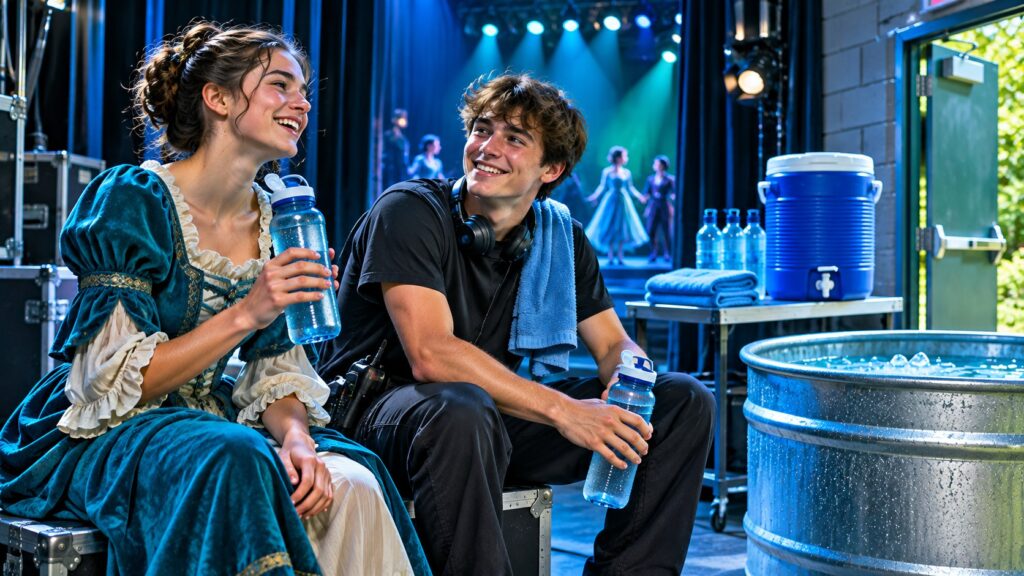
Theatre students rarely think of themselves as athletes. But a big dance number, a fight scene or a long run of a show asks a lot of the body, and much of that work happens in places that get hot. Summer camps rehearse in buildings with the air turned down or off. Outdoor productions perform on sunny lawns and in parks. Tech crews haul flats on loading docks and work high above the stage where the heat collects. Add costumes, wigs and stage lights, and a theatre program can carry the same heat risk as a sports team, usually without an athletic trainer in the room.
This guide is for directors, technical directors, camp staff and parents who want a heat plan that fits the way theatre works.
Where the Heat Builds in a Theatre Program
Summer camps and summer shows
Many youth theatre camps and summer productions run during the hottest weeks of the year. Some schools cut back air conditioning in the summer, and older auditoriums, black box rooms and rehearsal halls may have no cooling at all. Students may go straight into hours of singing and dancing in a warm room.
Outdoor stages
Park shows, festival stages and outdoor amphitheaters put performers and crews in direct sun. Afternoon rehearsals and matinees land in the hottest part of the day. Even evening shows usually mean loading in and building the set well before sunset.
Costumes, lights and tight spaces
Layered costumes, heavy fabric, wigs, full-head masks and character suits hold heat against the body. Stage lights add more. Backstage areas, dressing rooms, catwalks and fly galleries can trap warm air, and a crew member working up high or in a cramped space may get hot with no one watching.
Tech week and long days
The days before opening are long. Students run the show again and again, skip breaks, eat on the go and sleep less. That is when people stop paying attention to how they feel.
Know the Signs
Heat stroke affects the brain, so the clearest warning is a change in how someone thinks or acts during hard work in the heat. Watch for a performer or crew member who is confused, stumbling, acting strange, slurring words, missing cues they know cold, not answering questions clearly or collapsing. An athlete who is still sweating can still be in heat stroke, and the same is true for an actor or a stagehand.
Theatre students are used to pushing through. The show must go on, and nobody wants to be the reason a rehearsal stops. Tell your cast and crew plainly that speaking up is always the right call. Our guide to exertional heat stroke symptoms covers the signs in more detail, and looking out for your teammates works just as well for a cast.
Build Prevention Into the Schedule
- Ease in. Start camp and summer rehearsals with shorter, lighter days and build up to full runs. Our guide to heat acclimatization explains why the first two weeks matter.
- Schedule breaks and keep them. Put water breaks on the rehearsal schedule, in shade or the coolest room you have, and keep them.
- Save full costume for when you need it. Rehearse in light clothes as long as you can. When costumes go on, plan quick ways to open or remove the heaviest pieces between scenes.
- Move outdoor work out of the hottest hours. Load in, build and rehearse outdoor shows early in the day or in the evening when possible.
- Keep water everywhere. Put water in the wings, in dressing rooms and near the crew, not just in the lobby.
- Don’t send anyone up alone. Pair crew members working on catwalks, in fly galleries or in other hot, hard-to-reach spaces, and check on them often.
Have a Plan Before Someone Goes Down
Exertional heat stroke is 100% survivable when the person is cooled fast, on site. That only happens when the plan is in place before the first rehearsal. Every theatre program that works in the heat should know these steps:
- Stop and get help. Stop the rehearsal or the scene, and get the director, the stage manager or the nearest adult. Don’t leave the person alone.
- Call 911 and start cooling at the same time. One person calls and gives the exact address and the door an ambulance should use, such as the stage door or loading dock.
- Cool first, transport second. The person goes into a cold-water immersion tub with ice agitation, which means keeping the ice and water moving around them. Take off extra gear and clothing if you can do it quickly, but don’t delay cooling because of gear removal.
- Meet the ambulance. Someone waits at the right entrance and leads the crew straight to the person.
Cooling should start within 10 minutes. The goal is to bring body temperature down to about 102°F within 30 minutes, because at 104°F the body loses its ability to regulate its own temperature. Water, shade and fans help prevent heat illness, but they do not treat heat stroke, and neither do cold towels or ice packs. Read more on why cold towels don’t treat heat stroke and cool first, transport second.
Questions for Your Program
- Where is the nearest cooling tub and ice, and who brings it to the stage, the rehearsal room or the outdoor site?
- Does your school’s athletic trainer know when and where the theatre program rehearses in the summer?
- Does every adult on staff know the street address and the right entrance for each space you use?
- How fast can the heaviest costumes, wigs and masks come off?
Walk through the plan with staff and student leaders before camp or tech week. Our guide to running a heat stroke drill shows how to practice it, and our marching band and indoor gym heat guides carry over well to the stage. National Stay Cool Day on April 8, 2027 is a good day to bring your theatre students into the same Cool First training as your athletes. See what the day looks like for middle and high schools.
Take the next step: build your heat emergency action plan with our free heat safety tools, then sign up your school for National Stay Cool Day on April 8, 2027. Both are free.