October 1, 2026
Exertional Heat Stroke Symptoms Every Coach and Parent Should Know
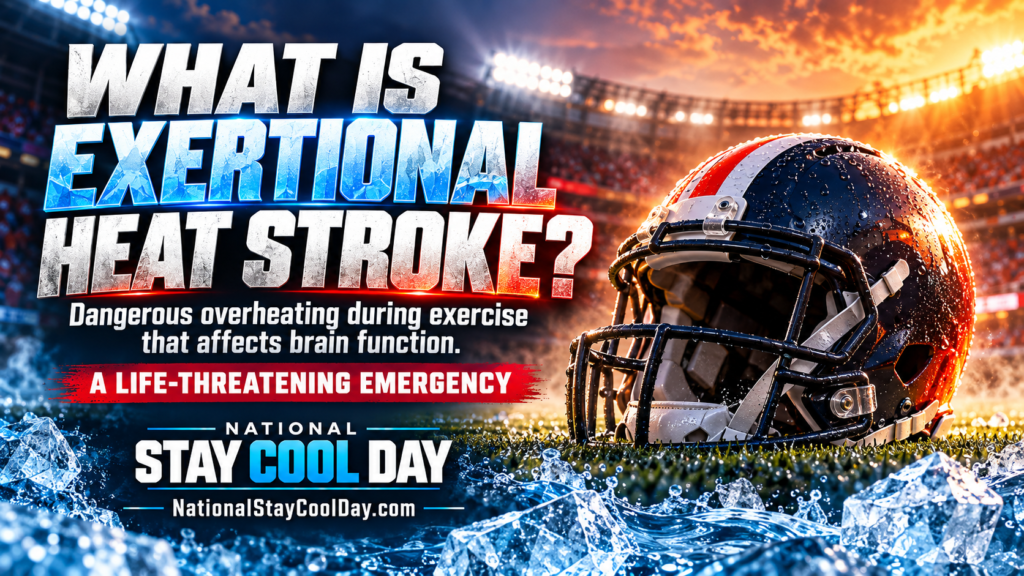
Exertional Heat Stroke Symptoms Every Coach and Parent Should Know
Exertional heat stroke happens when an athlete’s body temperature climbs past about 104°F (40°C) during hard activity and the body can no longer cool itself. It is a medical emergency. The earlier it is recognized, the better the chance of full recovery, which is why every coach and parent should know the signs.
Heat Exhaustion vs. Heat Stroke
Heat exhaustion and heat stroke sit on the same spectrum, but they are not the same problem.
Heat exhaustion often brings heavy sweating, fatigue, dizziness, headache, nausea and muscle cramps. The athlete usually stays alert and can still think clearly. Rest, shade and fluids typically help.
Heat stroke adds a change in how the brain is working. That is the dividing line. An athlete who is confused, behaving oddly or unable to follow directions is in a different category of danger, no matter how they got there.
The Warning Signs of Heat Stroke in Athletes
Watch for any combination of the following, especially during hot or humid conditions, early-season practices, or after a stretch of intense conditioning:
- Confusion, disorientation or slurred speech
- Irritability, aggression or unusual behavior
- Stumbling, poor coordination or collapse
- Vomiting or severe headache
- Hot skin, which may be sweaty or dry
- Rapid heartbeat and fast breathing
- Seizures or loss of consciousness
Many people believe an athlete with heat stroke will stop sweating. That is a dangerous myth. Athletes can be drenched in sweat and still have heat stroke.
Why Temperature Matters Most
Symptoms can be confusing, because a collapsed athlete may look like they simply fainted or got dizzy. The only reliable way to confirm heat stroke is a rectal temperature reading. Other methods, such as oral, ear, forehead or armpit readings, can be off by several degrees during exercise and can miss the problem entirely.
If your program has trained medical staff, make sure they have a rectal thermometer available and know when to use it. If they do not, treat any athlete who is confused or collapsed in the heat as having heat stroke until a medical professional says otherwise.
What to Do in the First Minutes
Time is the most important factor. Brain and organ damage depend on how long the body stays overheated.
- Call 911 right away and say you suspect heat stroke.
- Start cooling immediately on the spot. Do not wait for the ambulance.
- Use whole-body cold water immersion if a tub is available, or ice towels and cold water over the body if it is not.
- Remove equipment and heavy clothing so cooling can work.
- Stay with the athlete and keep cooling until emergency responders take over.
The guiding rule is simple: cool first, transport second.
What Parents Can Do
Parents do not need medical training to help. Learn the signs above, ask your child’s coach about the heat plan, and speak up if conditions seem unsafe. A good program will welcome the question. Teach your athlete that telling someone they feel “off” is smart, not weak.
What Coaches Can Do
Practice the response before you need it. Know where the ice and tubs are, who is responsible for the temperature check, and who makes the 911 call. Build rest breaks and gradual acclimatization into the schedule. Our heat illness prevention checklist is a good starting point.
Join National Stay Cool Day
On April 8, 2027, National Stay Cool Day brings schools and families together to learn exactly these skills. Sign up your program, share this guide with other parents and coaches, and help make sure every athlete goes home safe.
This article is educational and does not replace medical advice. In an emergency, call 911.